

Axolotls are nocturnal amphibians that lack eyelids and evolved in the murky, shaded waters of Lake Xochimilco. Bright light causes measurable stress in these...
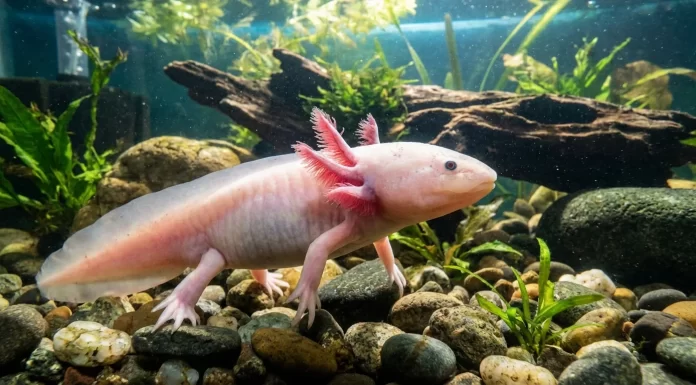
Axolotls need water between 60 and 68 degrees Fahrenheit (16 to 20 degrees Celsius), with the sweet spot at 60 to 64 degrees Fahrenheit...
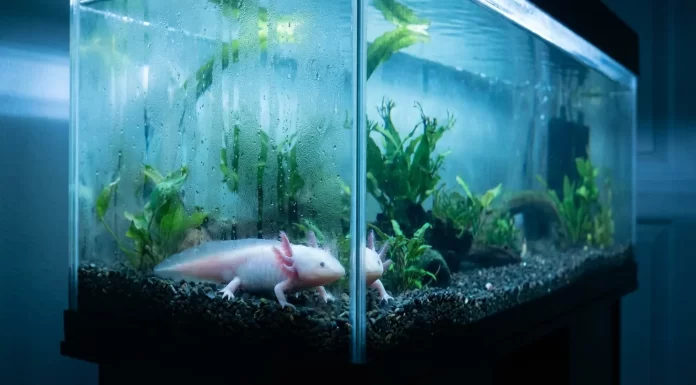
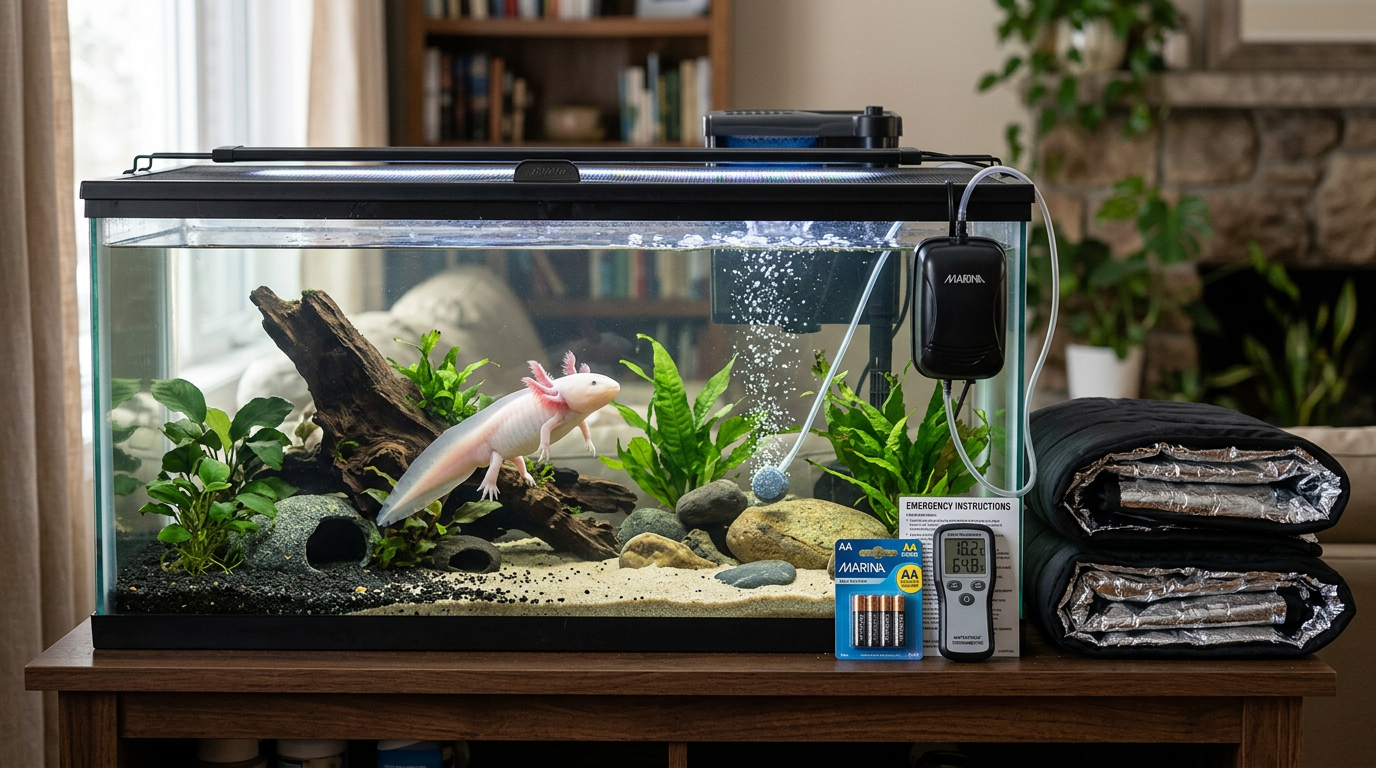
Summer is the most dangerous season for captive axolotls. These cold-water amphibians evolved in the deep, spring-fed canals of Lake Xochimilco where water temperatures...
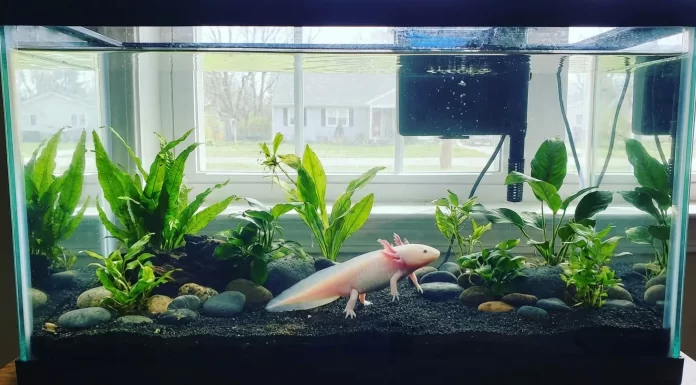
Cycling an axolotl tank means growing colonies of beneficial bacteria inside the filter and on tank surfaces before the axolotl ever enters the water....
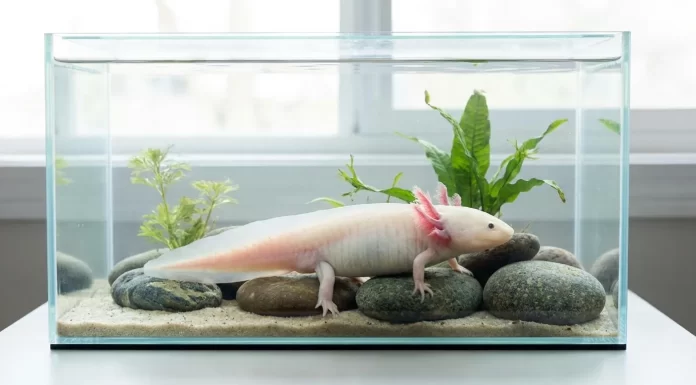
Water changes are the single most effective tool for keeping axolotl tank water within safe parameters. No filter removes nitrate on its own. No...
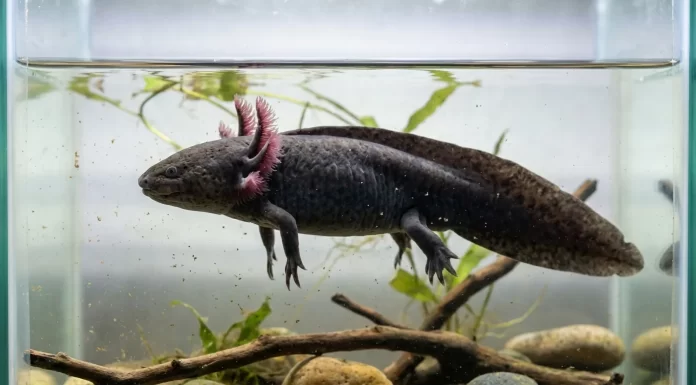
Axolotls are fully aquatic amphibians with permeable skin and exposed gill tissue, which means the mineral content and chemical balance of their water affects...
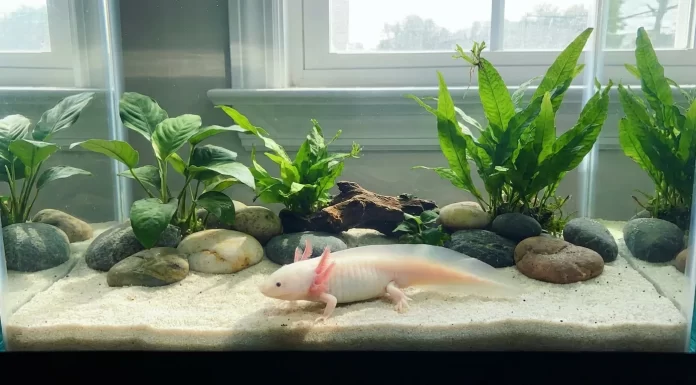
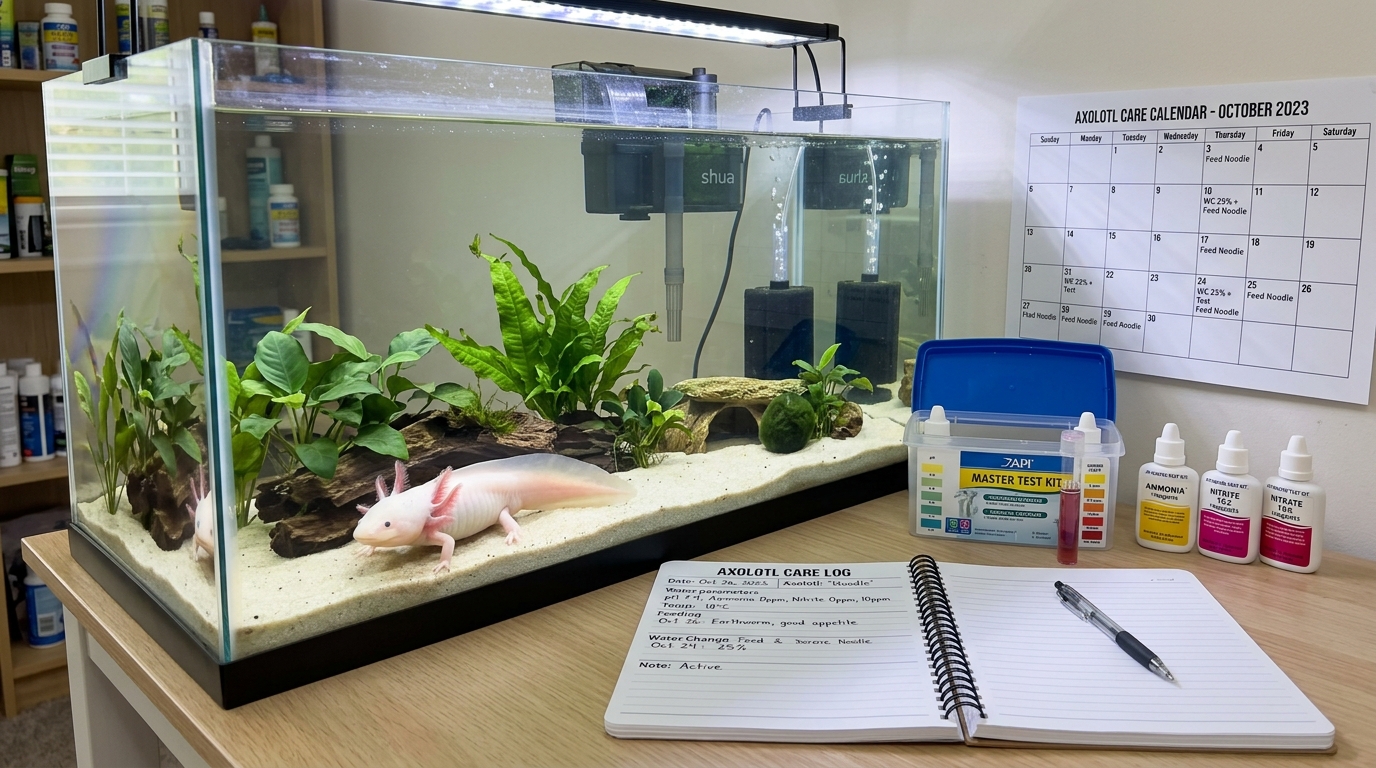
A clean axolotl tank is not a tank that looks clean. It is a tank where ammonia reads 0 ppm, nitrite reads 0 ppm,...
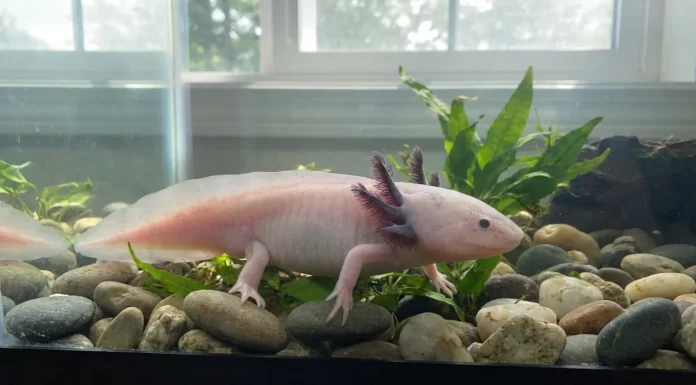
Heat kills axolotls faster than most keepers expect. When water temperature climbs above 72 degrees Fahrenheit (22 degrees Celsius), the axolotl's immune system weakens,...
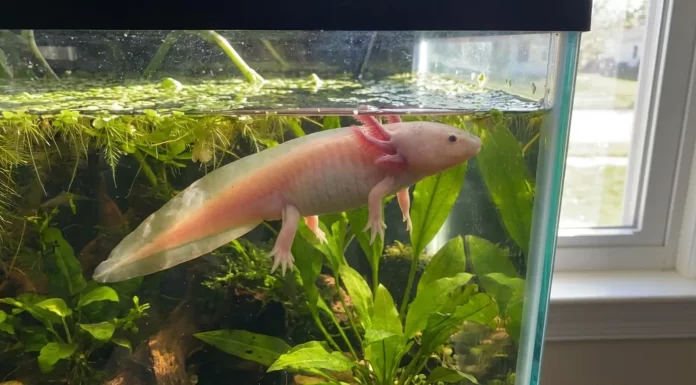
An axolotl that floats at the surface is not always in danger, but it always deserves attention. Floating can be completely benign (a swallowed...
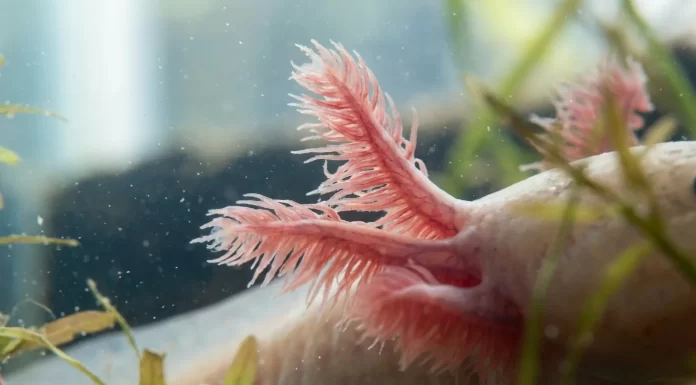
Forward-curled gills are one of the most common visual stress indicators in captive axolotls. When an axolotl's external gill stalks angle toward the snout...