

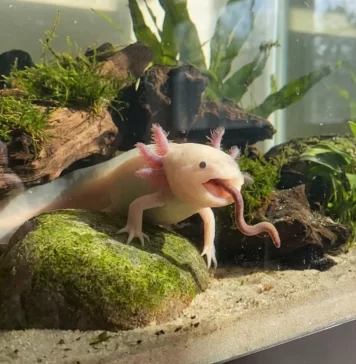
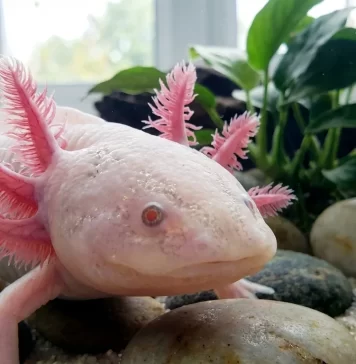
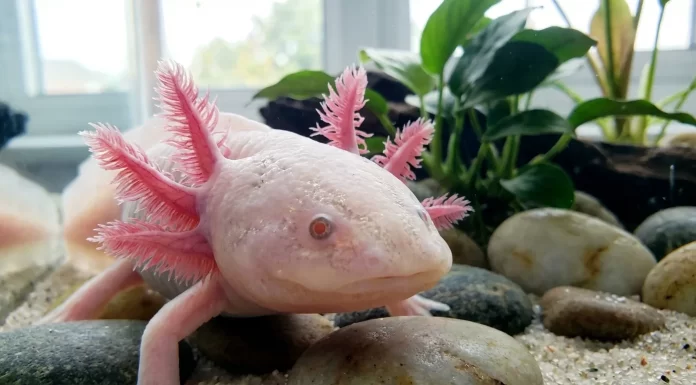
Axolotl ownership is legal in most of the United States, but four states and the District of Columbia ban possession outright, two states require...
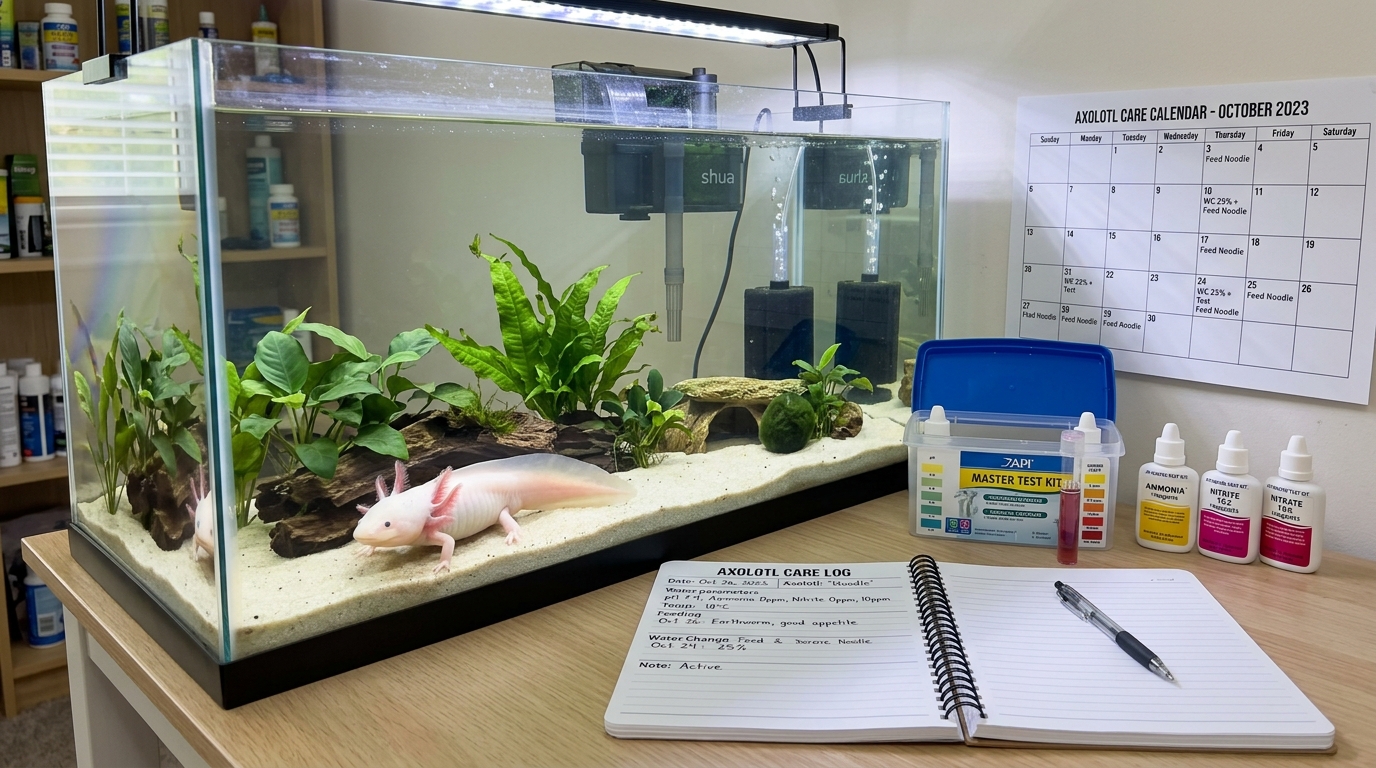
Keeping written records of your axolotl's environment and health turns scattered observations into a reliable dataset that catches problems before they become emergencies. A...
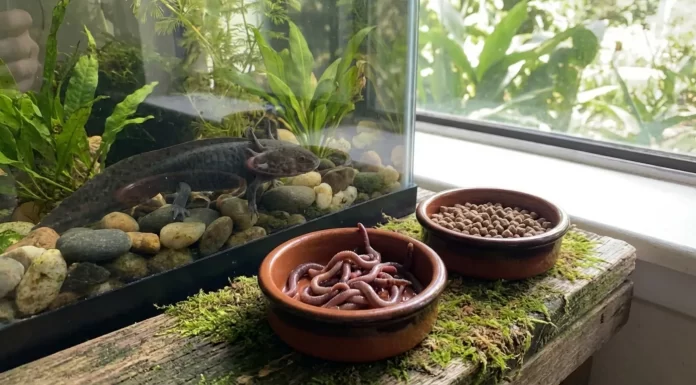
Earthworms and pellets are the two most common staple foods for captive axolotls, and choosing between them is one of the first feeding decisions...
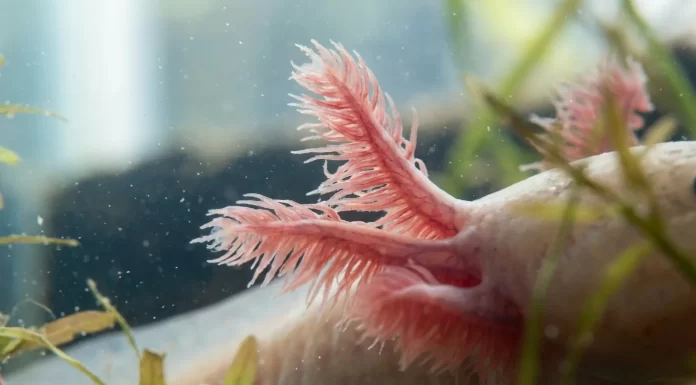
Forward-curled gills are one of the most common visual stress indicators in captive axolotls. When an axolotl's external gill stalks angle toward the snout...
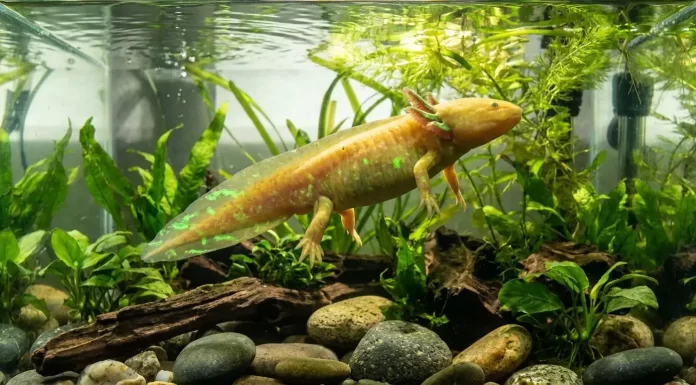
A GFP axolotl is a genetically modified axolotl that carries a transgene encoding green fluorescent protein, originally isolated from the jellyfish Aequorea victoria. Under...
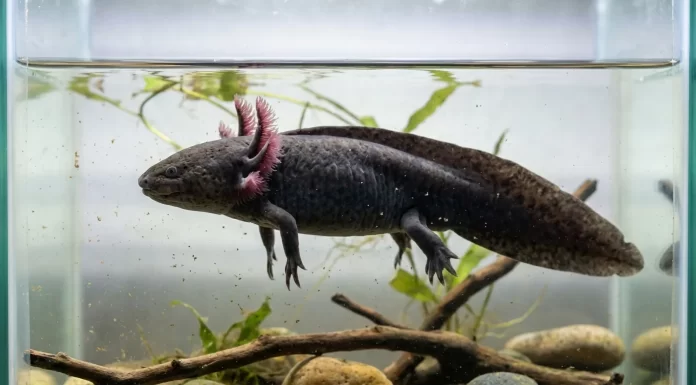
Axolotls are fully aquatic amphibians with permeable skin and exposed gill tissue, which means the mineral content and chemical balance of their water affects...
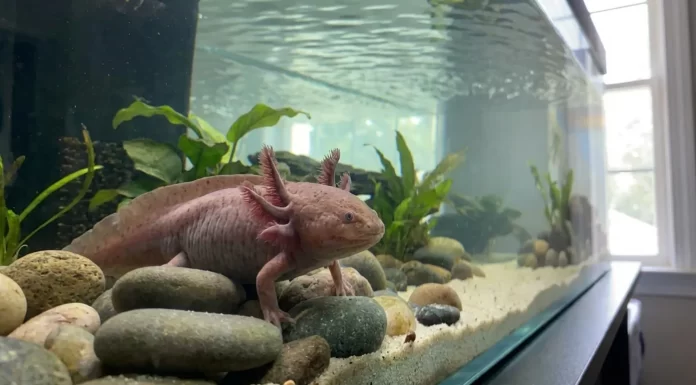
Axolotls are slow-water animals that cannot tolerate strong current. In the wild, axolotls inhabit the still and slow-moving canal systems of Lake Xochimilco in...
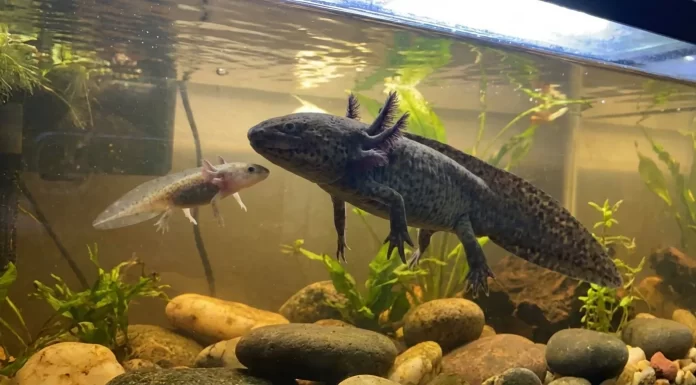
An axolotl hatches at roughly 1 centimeter. Eighteen months later, the same animal measures 23 to 30 centimeters (9 to 12 inches) and has...
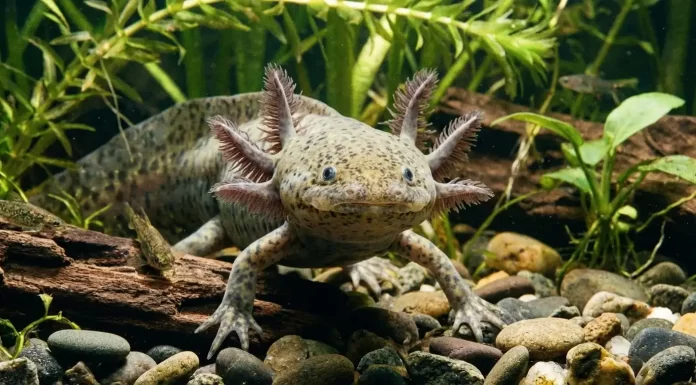
Most axolotl health problems start as water-quality problems, and most water-quality problems resolve with clean water, correct temperature, and patience. That reality leads many...
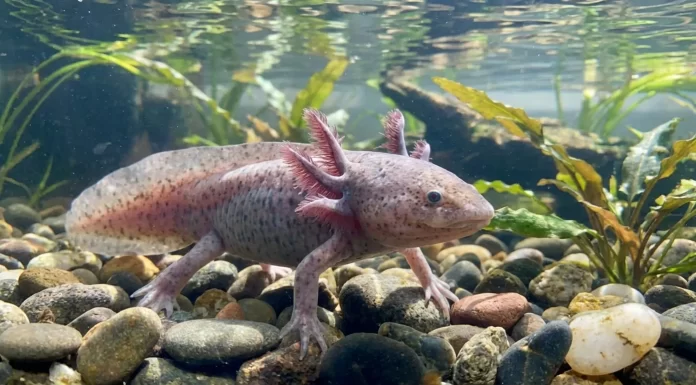
Most aquarium medications are designed for fish. Axolotls are not fish. They are neotenic salamanders with permeable skin, external gills, and a physiology that...