

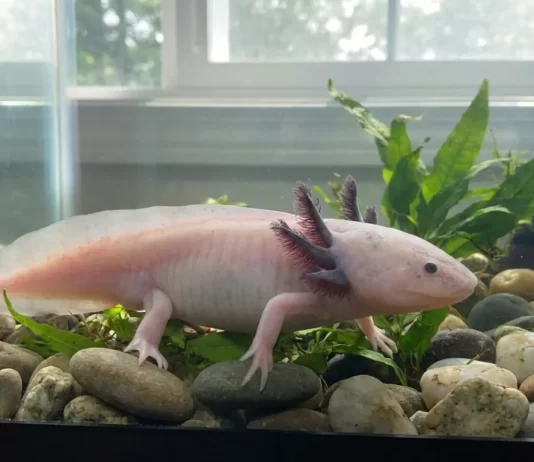
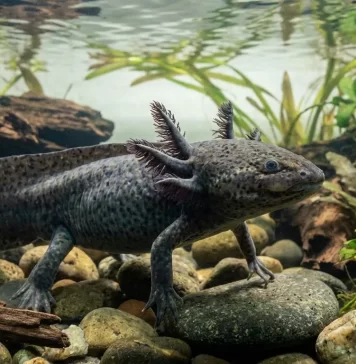
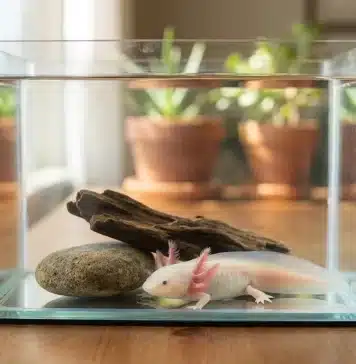
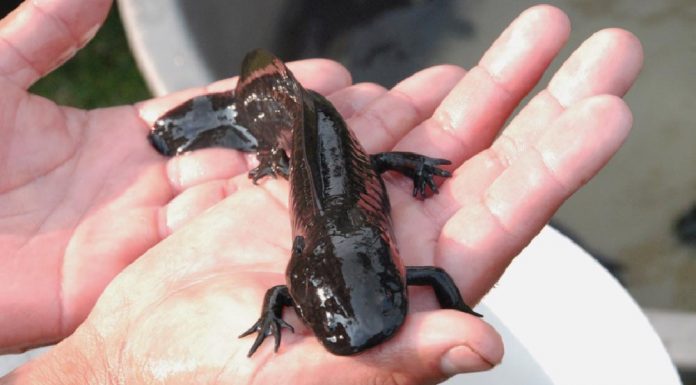
Axolotls cannot live out of water. They are obligate aquatic amphibians that depend on water for gill-based gas exchange, skin hydration, and thermoregulation. An...
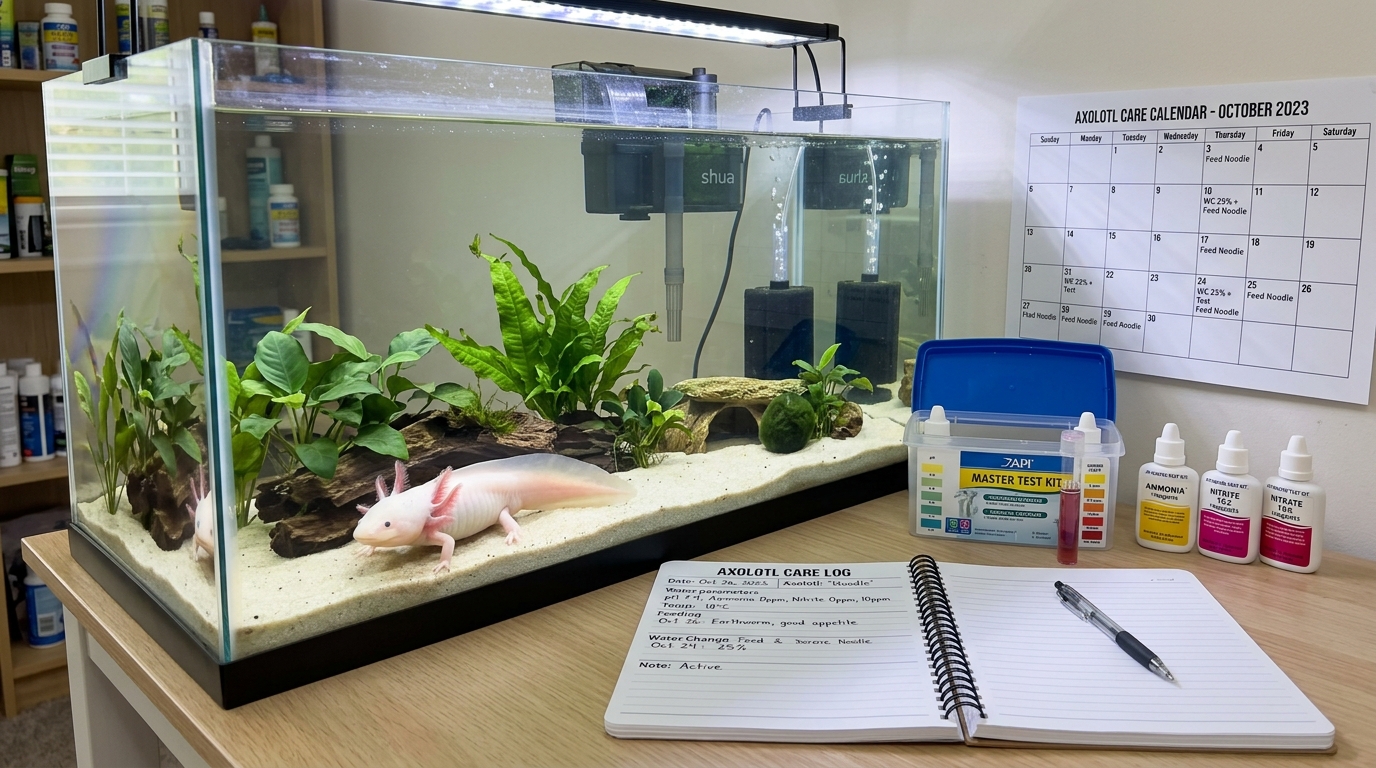
Keeping written records of your axolotl's environment and health turns scattered observations into a reliable dataset that catches problems before they become emergencies. A...
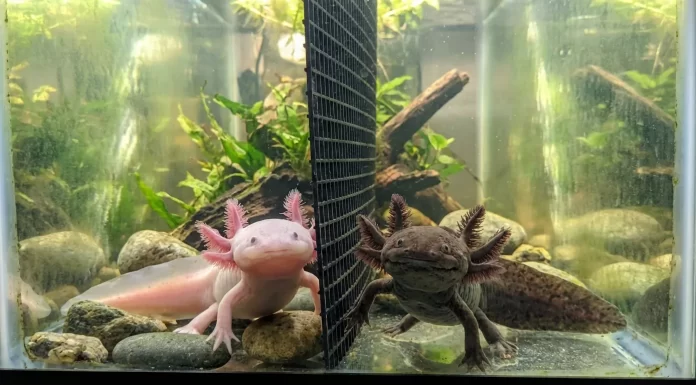
Axolotls eat each other. This is not a defect or a sign of poor temperament. It is normal predatory behavior from an animal that...
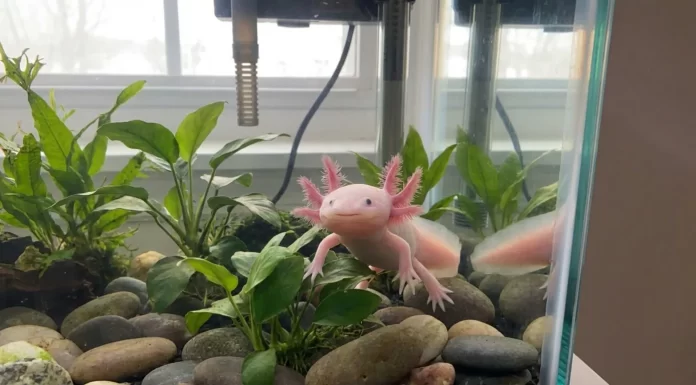
A healthy captive-bred axolotl costs between $30 and $100 from a reputable breeder, but the animal itself is the smallest line item in the...
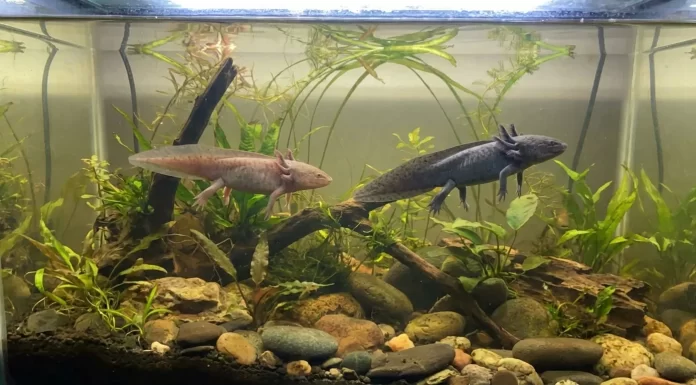
Multiple axolotls can share a tank, but "can" and "should" are separated by a list of conditions that many keepers underestimate. Axolotls are solitary...
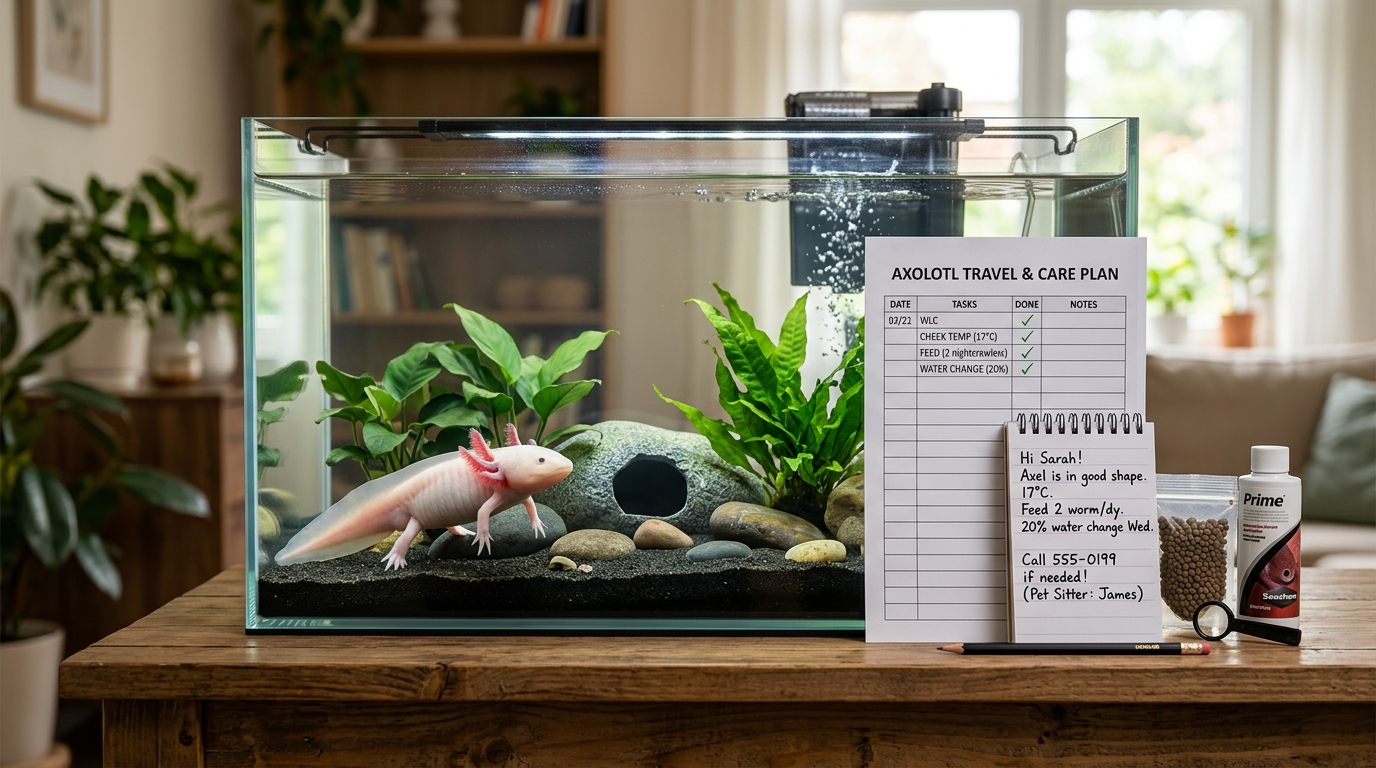
Leaving an axolotl for a few days is straightforward if the tank is cycled, water parameters are stable, and the animal is healthy. Leaving...
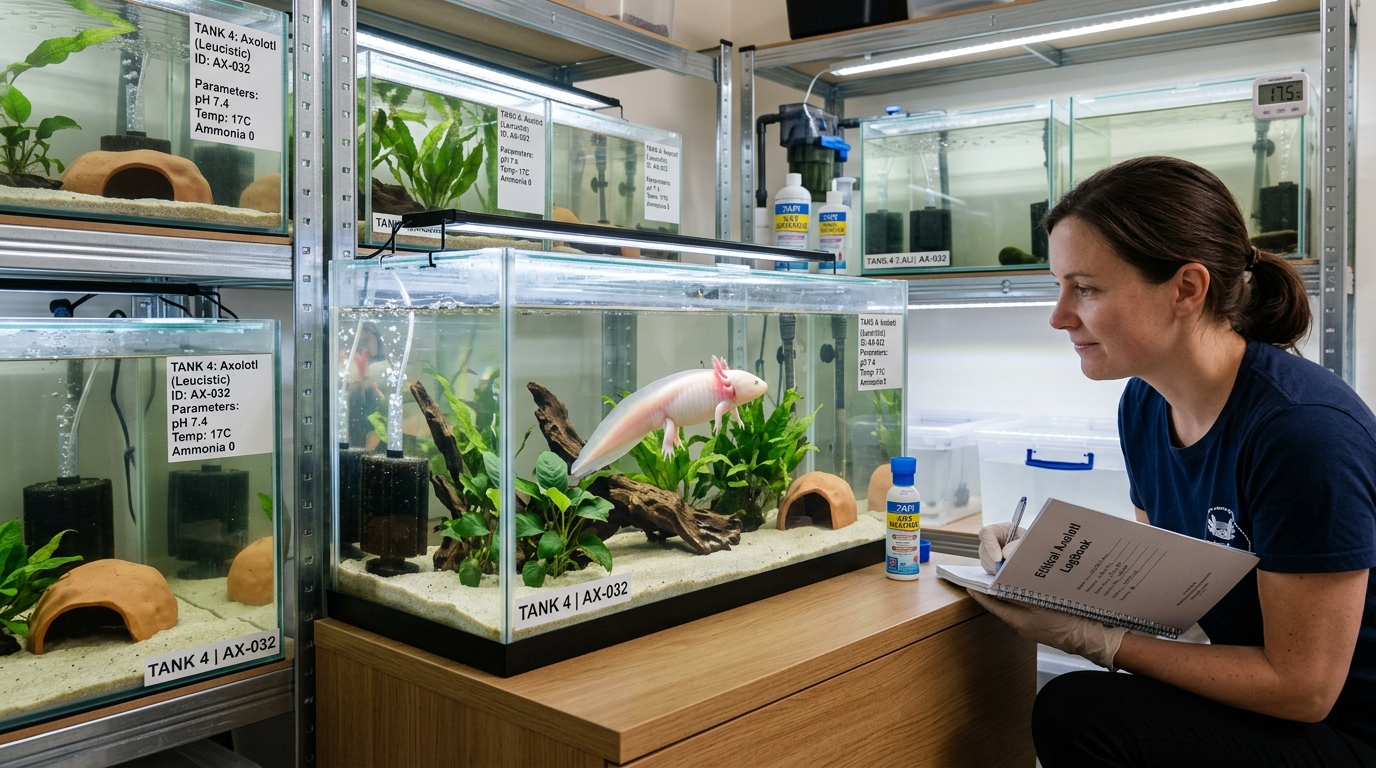
Where you get your axolotl determines the animal's health trajectory from day one. Captive-bred axolotls from reputable breeders arrive with known genetics, documented lineage,...
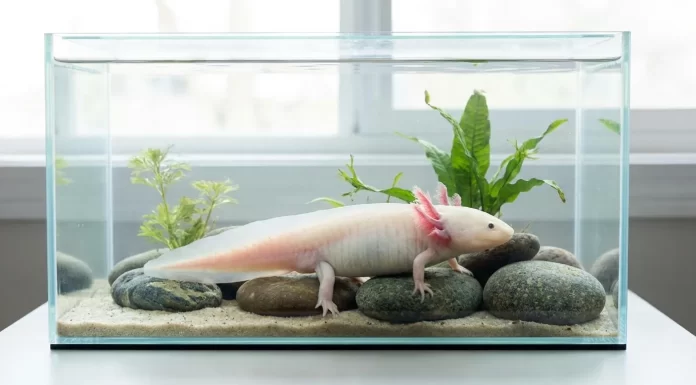
Water changes are the single most effective tool for keeping axolotl tank water within safe parameters. No filter removes nitrate on its own. No...
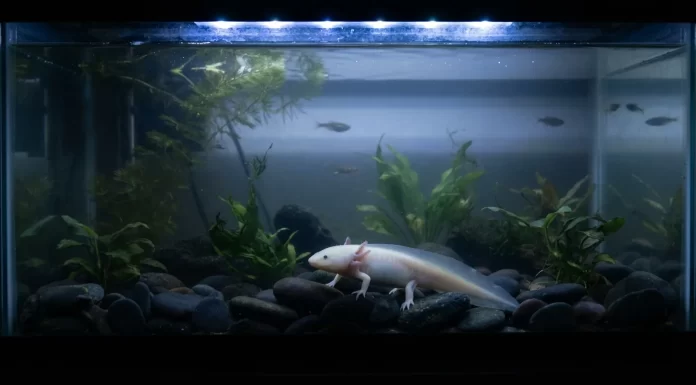
Axolotls are nocturnal amphibians that lack eyelids and evolved in the murky, shaded waters of Lake Xochimilco. Bright light causes measurable stress in these...
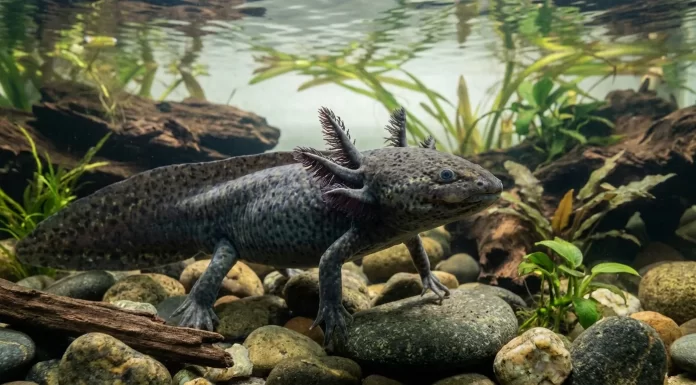
Axolotls are one of the few vertebrates that can regenerate entire limbs, gills, tails, sections of spinal cord, portions of the brain, and even...