

Most axolotls on a varied whole-prey diet do not need vitamin or mineral supplements. The question comes up frequently because reptile and terrestrial amphibian...
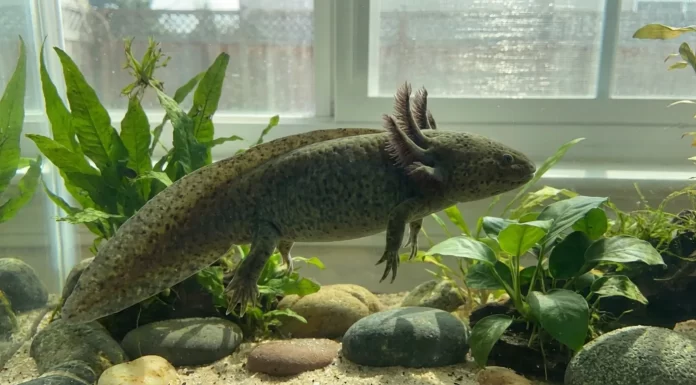
Obesity in captive axolotls develops gradually through feeding-pattern mistakes: portions too large, meals too frequent, or high-fat treats offered too often. Because axolotls are...
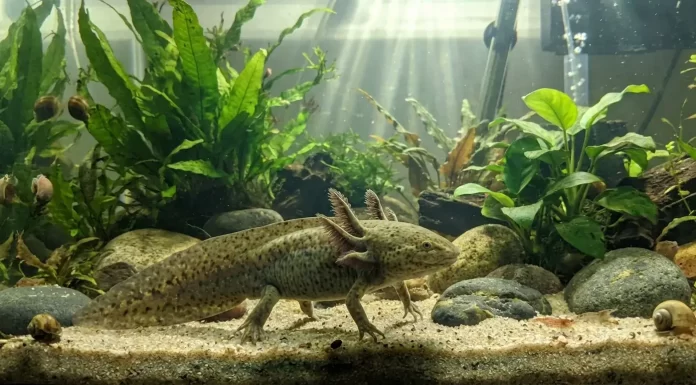
Axolotls communicate through body language, not sound. Every gill flick, resting position, swimming pattern, and color shift carries information about whether your axolotl is...
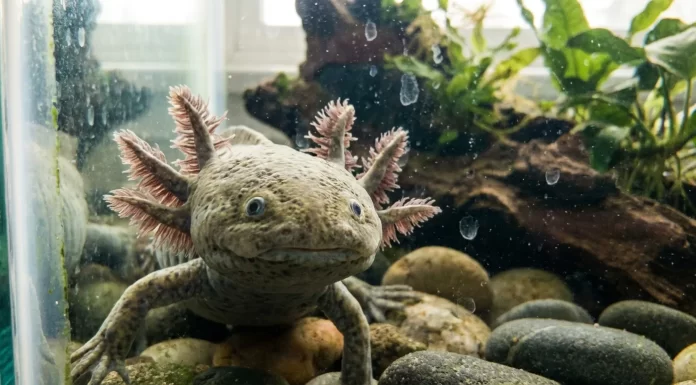
Axolotls are fully aquatic amphibians that should not be handled as part of routine care. Unlike reptiles or mammals that tolerate or even benefit...
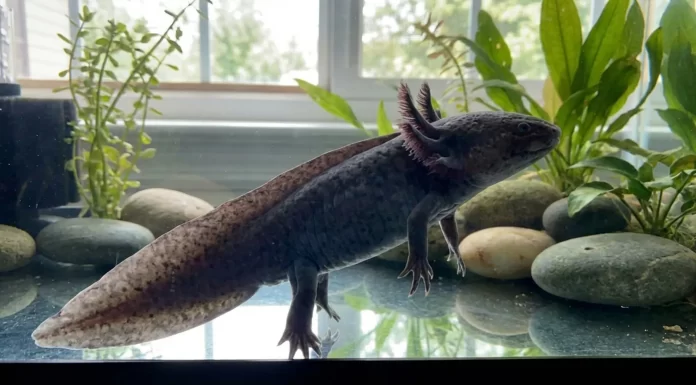
A well-kept captive axolotl lives 10 to 15 years. Some individuals reach 20 years under exceptional husbandry conditions. Wild axolotls, by contrast, survive approximately...
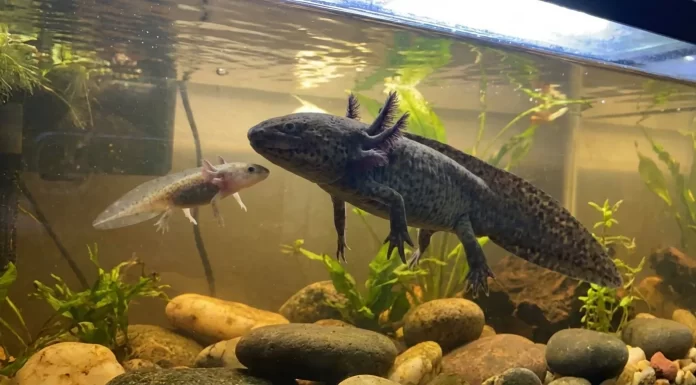
An axolotl hatches at roughly 1 centimeter. Eighteen months later, the same animal measures 23 to 30 centimeters (9 to 12 inches) and has...
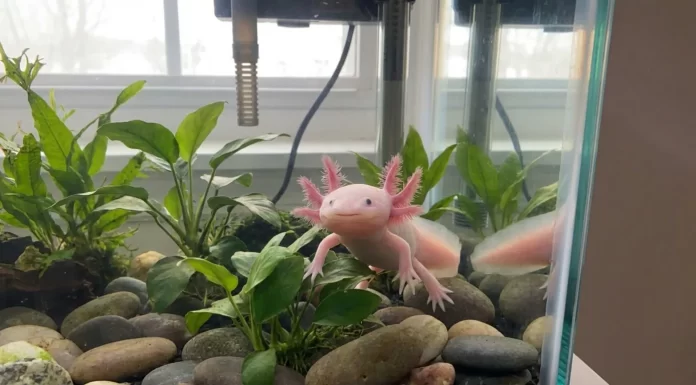
A healthy captive-bred axolotl costs between $30 and $100 from a reputable breeder, but the animal itself is the smallest line item in the...
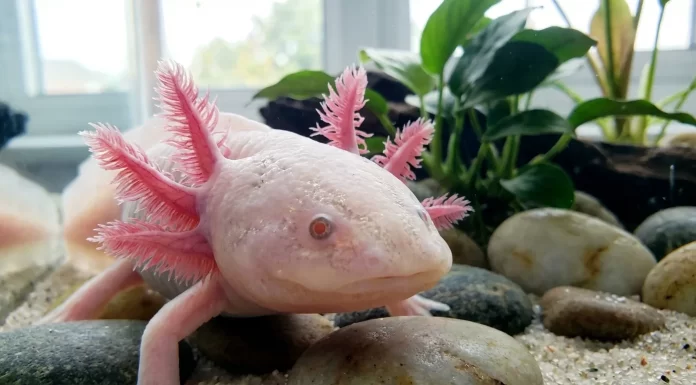
Axolotl ownership is legal in most of the United States, but four states and the District of Columbia ban possession outright, two states require...
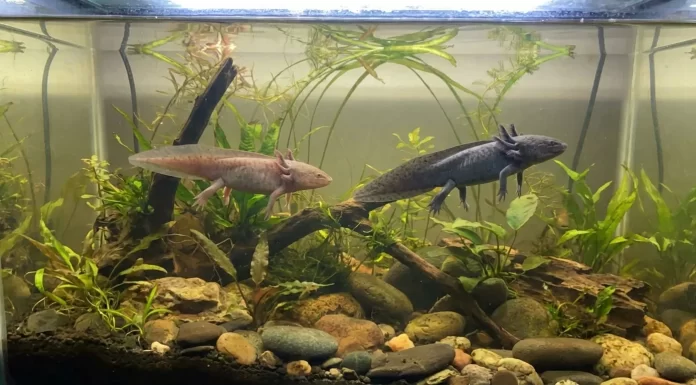
Multiple axolotls can share a tank, but "can" and "should" are separated by a list of conditions that many keepers underestimate. Axolotls are solitary...
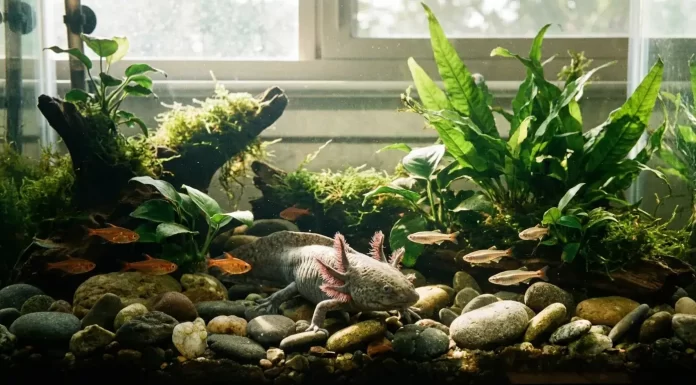
No. Axolotls should not be housed with fish. The combination fails in both directions: fish nip axolotl gills, and axolotls eat fish. Every common...