

Impaction is a mechanical foreign-body blockage of the axolotl gastrointestinal tract, usually caused by ingested gravel. Food refusal, abdominal swelling, and floating from trapped...
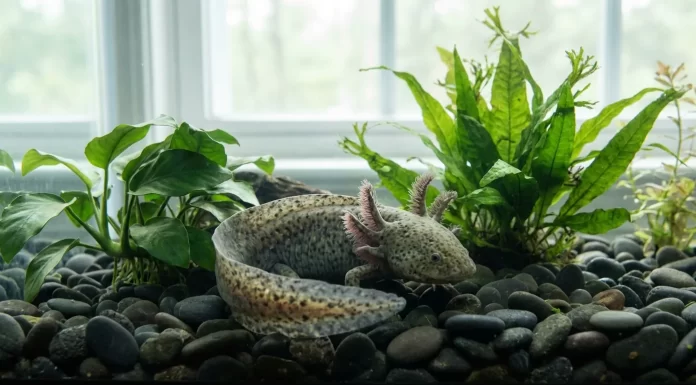
Axolotl daytime stillness is normal nocturnal rest if the animal responds to food, becomes active after dark, and shows normal coloring and posture. Concerning...
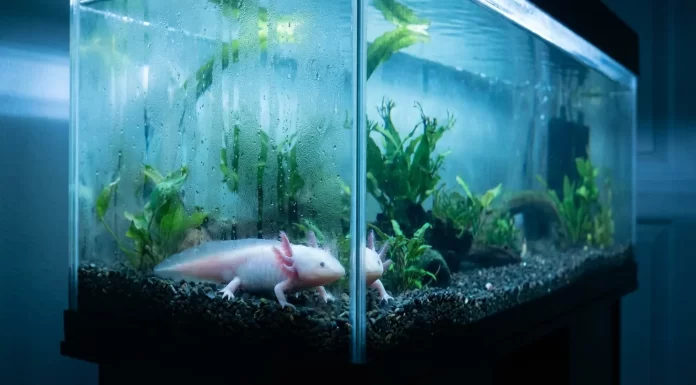
Heat is the most dangerous routine event for captive axolotls. If your tank climbs past 70 degrees Fahrenheit, start an evaporative fan, float a...
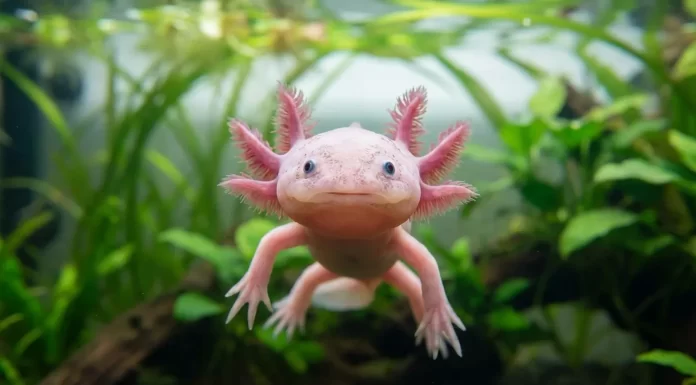
Axolotls absorb chemicals through gill filaments and permeable skin, which makes untreated tap water dangerous. Chlorine burns gill tissue on contact. Chloramine releases free...
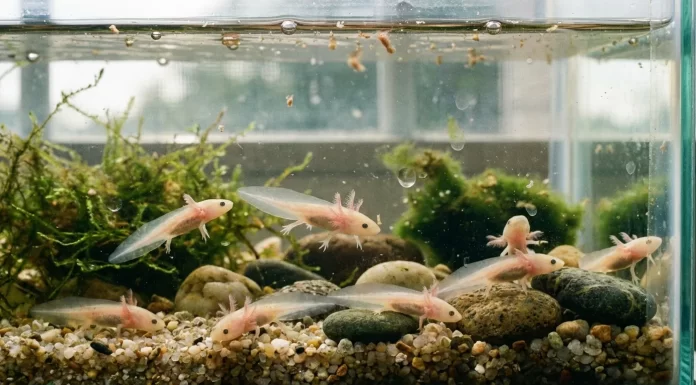
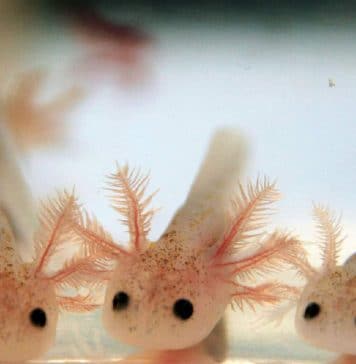
Newly hatched axolotl larvae measure about 10 to 13 mm, carry no legs, and live off a yolk sac for the first day or...
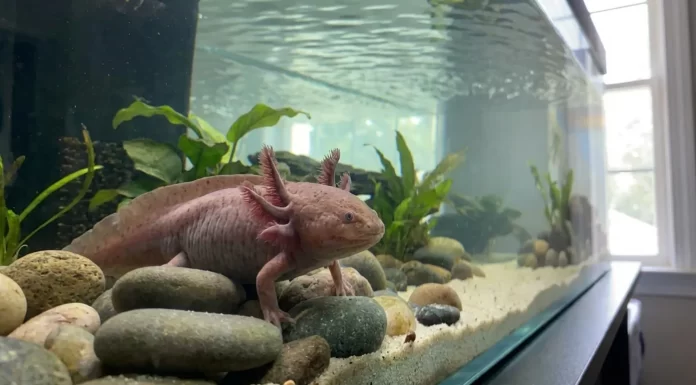
Axolotls evolved in still water and cannot tolerate strong current. Signs of too much flow include forward-curled gills, persistent hiding away from the filter...
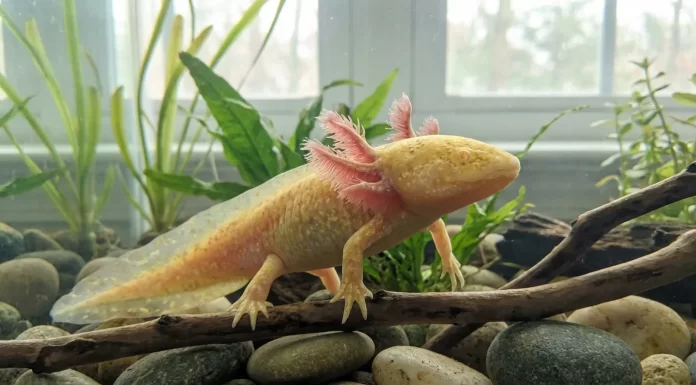
Most axolotls on a varied whole-prey diet do not need vitamin or mineral supplements. Earthworms plus quality sinking pellets plus occasional treats cover nutritional...
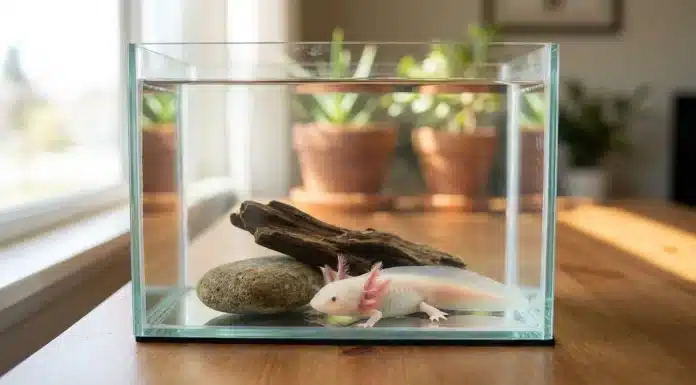
Every new axolotl should spend 30 days in a separate tub before main-tank introduction. Sick axolotls should also be tubbed for treatment. A 6...
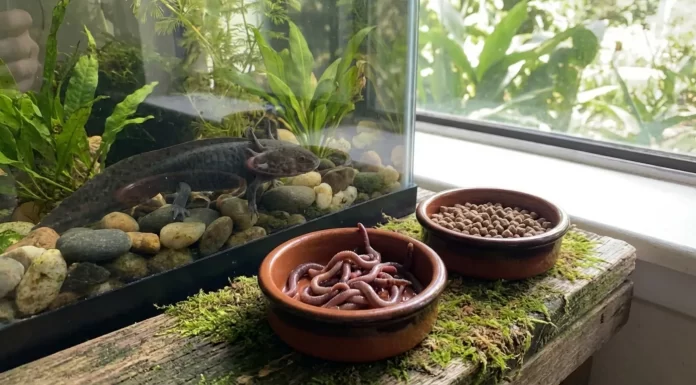
Earthworms are the nutritionally superior staple food for captive axolotls. Pellets are useful backup for situations where worms are impractical. The optimal approach for...
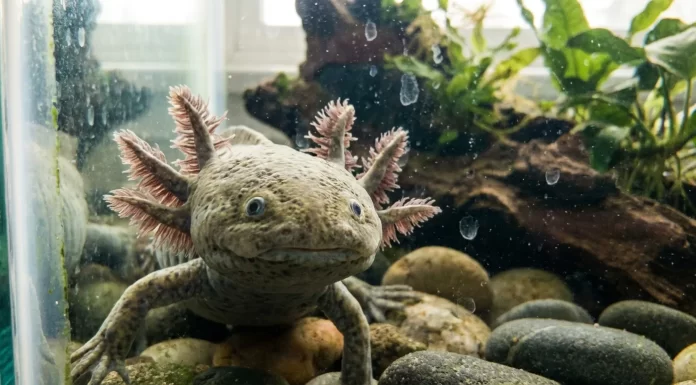
Axolotls should not be handled as part of routine care. They are fully aquatic with permeable skin and cartilaginous skeletons that are easily damaged....