

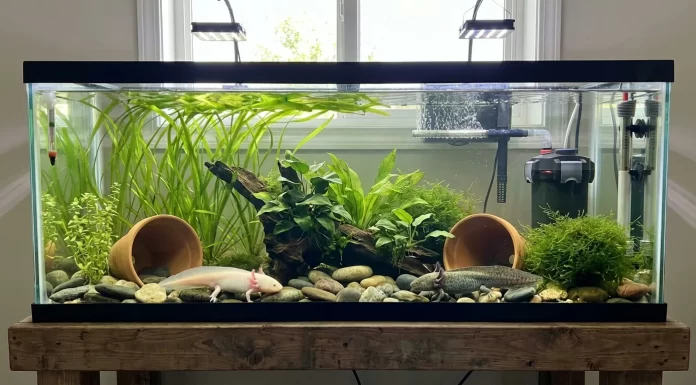
Setting up an axolotl tank correctly before the animal arrives prevents most early health emergencies. A complete setup requires a 20 to 40 gallon...
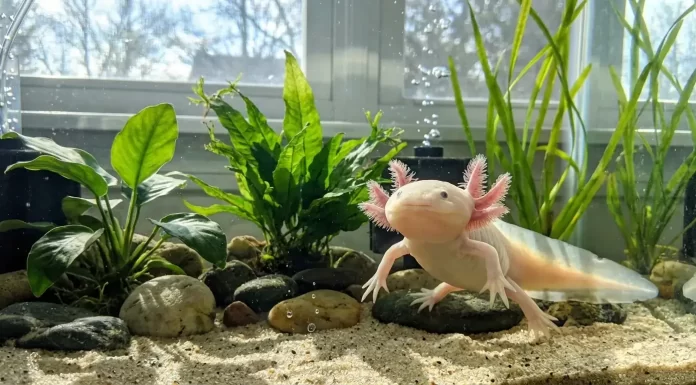
Cloudy water in an axolotl tank is not one problem with one fix. Milky white usually signals bacterial bloom from an uncycled or disrupted...
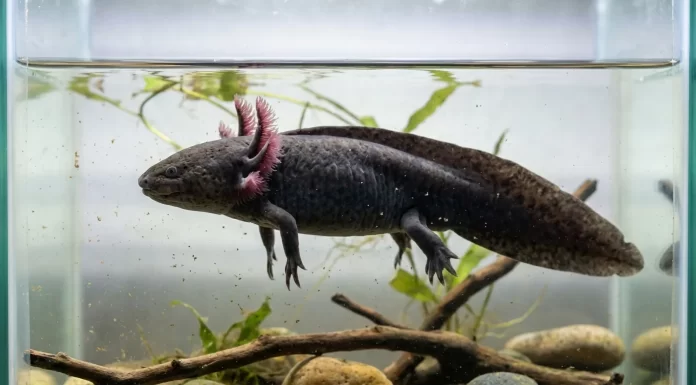
Axolotls need pH between 6.5 and 8.0, GH between 7 and 14 degrees (general hardness), and KH between 3 and 7 degrees (carbonate hardness)....
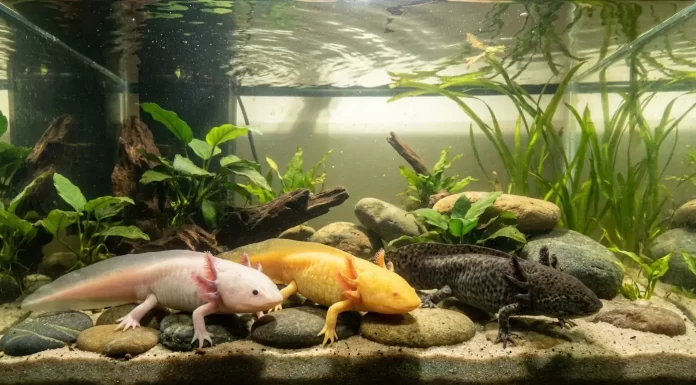
Axolotl color is inherited through ordinary gene rules. Each animal carries two copies of every color gene, one from each parent, and most color...
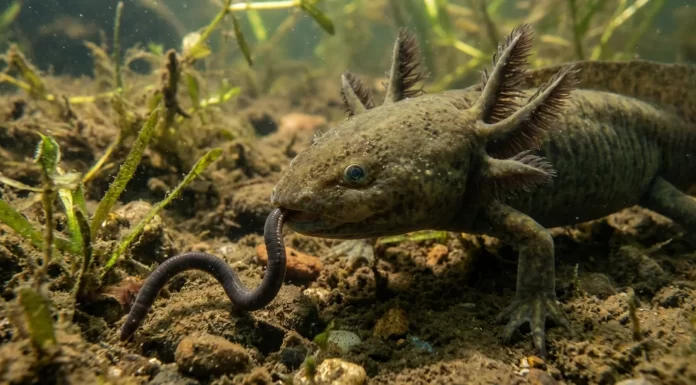
Live food can be a useful part of an axolotl diet, but not every live feeder is safe. The risk-tier sorts feeders into lower,...
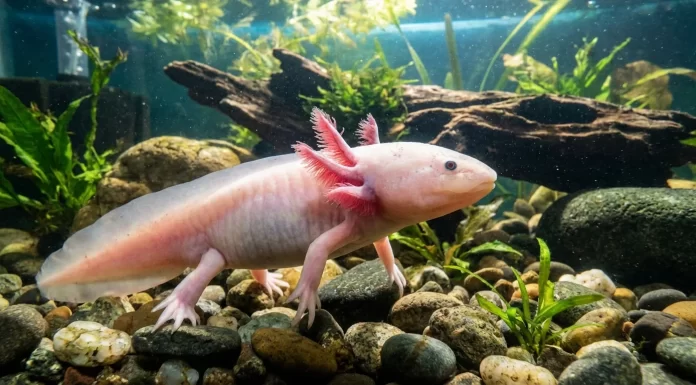
Axolotls need water at 60 to 68 degrees Fahrenheit, optimum 60 to 64. If your room regularly exceeds 74 degrees in a humid climate...
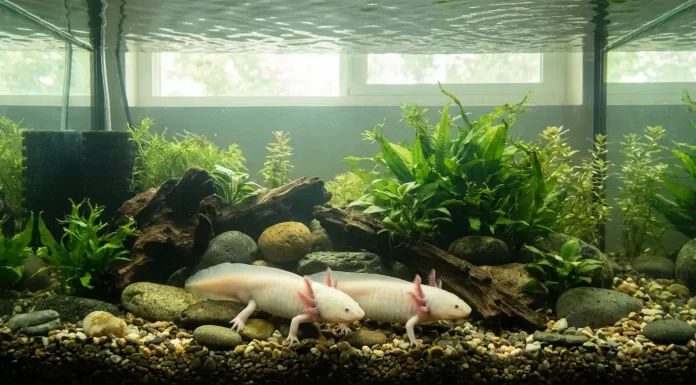
You sex an axolotl mainly by its cloaca, the area behind the back legs. A mature male shows a clear lateral bulge there, while...
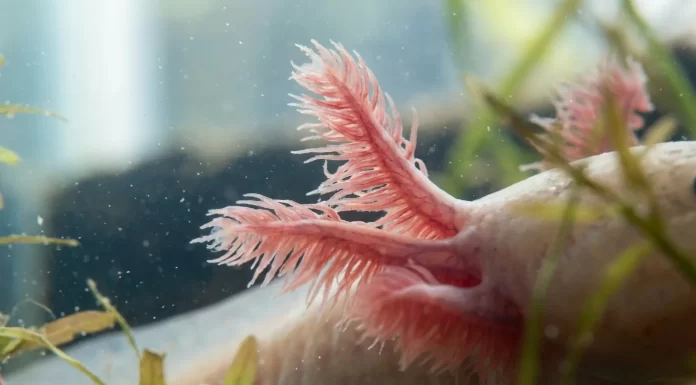
Gill curl direction is the first diagnostic. Forward curl is the most common pattern and per Axolotl.org/health verbatim "Forward-turned gills are typical of an...
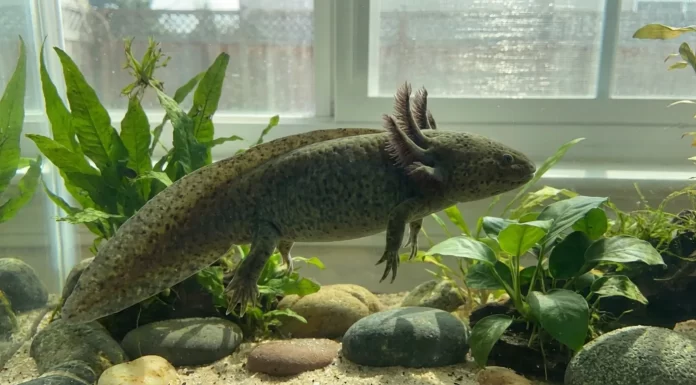
Obesity in captive axolotls develops gradually from feeding-pattern mistakes: portions too large, meals too frequent, or high-fat treats offered too often. The BCS 1-to-5...
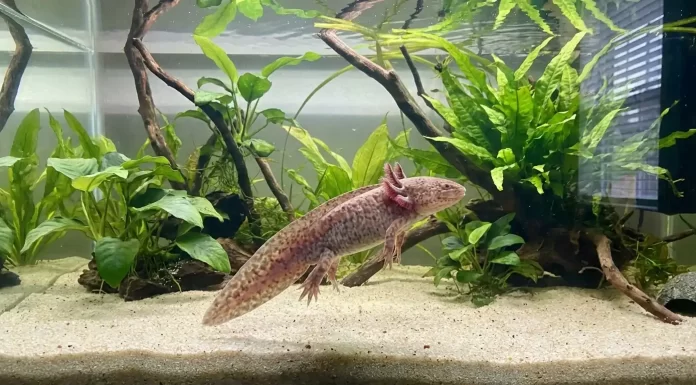
Impaction is a mechanical foreign-body blockage of the axolotl gastrointestinal tract, usually caused by ingested gravel. Food refusal, abdominal swelling, and floating from trapped...